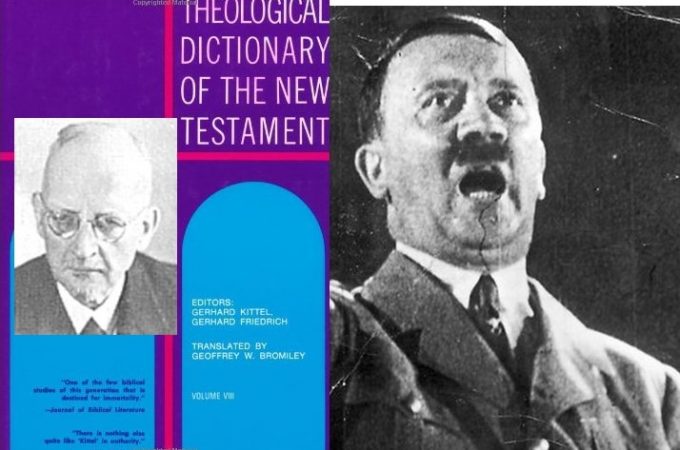
How could Gerhard Kittel, one of the greatest Christian scholars of the 20th century, become the “Nazi Theologian”? We have written a series of posts that deal with that question. Now, after reading Stephen R.C. Hicks’ book, Nietzsche and Nazis, I have some new insights that might help explain (but
Tag: Theology
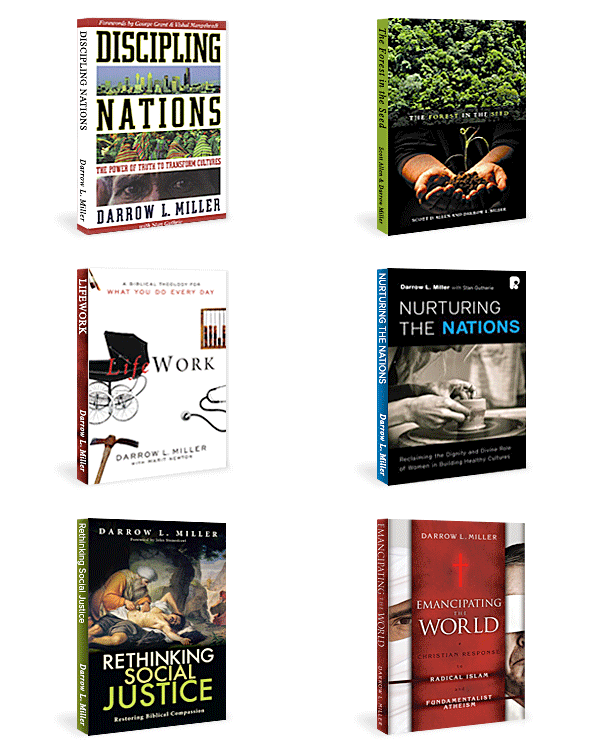
Recently, a Christian brother published a “sympathetic critique” of Darrow’s book Discipling Nations. He raised issues about Disciple Nations Alliance teaching that have been noted by others from time to time. Because of that, and in the spirit of a free exchange of ideas, we offer here, in six parts, our brother’s critique and
What army would leave the vast majority of its soldiers in the barracks while going into battle? In one sense, that’s exactly what the church has done. We have gone to war with only a fraction of our soldiers mobilized. We’ve relegated the work of discipling the nations to pastors, missionaries, and
In the second line, Watts says “Let earth receive her king.” Note that the object of the first two lines has changed, from world to earth. I don’t think this was a slip of the pen or poetic variation in his writing. Watts was not only a hymn writer, he was
Like so many young people today, Isaac Watts (1674-1748.) was frustrated with the quality of the hymns at his church. After one Sunday service, he complained to his father, who challenged Isaac that if he did not like the hymns, he should produce something better. The next Sunday, at age 18,
James Davidson Hunter, the William R. Kenan Professor of Sociology and Religious Studies at the University of Virginia, has written a profound book that helps us understand the impact of language on moral development. In his book, The Death of Character: Moral Education in an Age without Good or Evil,