In part 1 I argued that a new religion has taken root in the West, and it advances by redefining words — vacating them of their true meaning, and hijacking them to serve new purposes. This is a powerful tactic. We can already begin to see how the redefinition of

Category: Postmodernism
One of the hallmarks of the new religion that is the focus of this series is how it redefines words. It has created a new dictionary. John Stonestreet of the Colson Center for Christian Worldview puts it this way: “We use the same words, but different dictionaries.” Some of the most
The Tyranny of Feelings: Yale as a Microcosm for a Troubling Trend In the recent past, important social matters were settled though free and open discussion and debate using logic and reason. Our American civil order is predicated on this. It works well when those engaged share a conviction that
A recent issue of the Wall Street Journal ran an interview article featuring New York University professor Jonathan Haidt. The article is titled “The Cultural Roots of Campus Rage,” and in it, Haidt shares his insights into what’s happening on many a college campus across the nation. Haidt, a psychologist
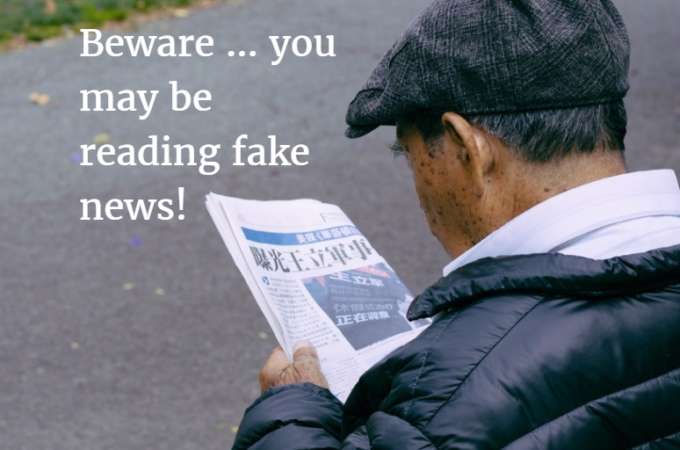
Fake news is the inevitable fruit of several generations of naturalism and evolutionism. Ideas take time to move from conception to fruition. In 1882, German philosopher Friedrich Nietzsche insinuated that “God is dead.” Over the generations since, we have seen the gradual death of everything based on God’s existence, including
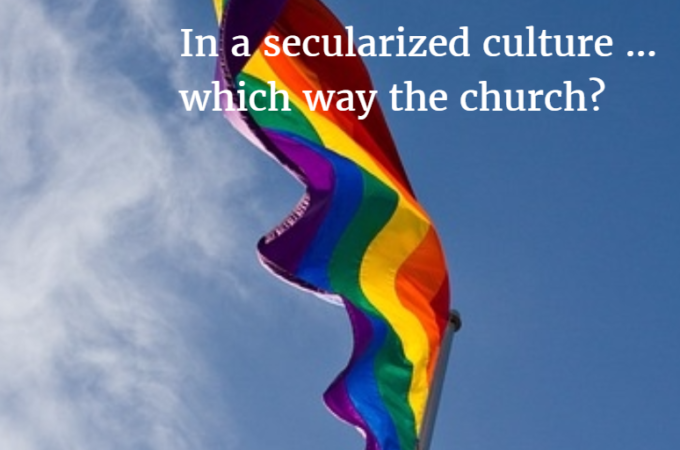
In the previous post I introduced a recent talk by Charles Chaput, the Archbishop of Philadelphia, on the church’s response to secularized culture. At the end of that post, I quoted Chaput as follows: Apostasy is an interesting word. It comes from the Greek verb apostanai – which means to revolt or
Last week, Philadelphia Archbishop Charles Chaput powerfully spoke about today’s secularized culture. His discourse at the University of Notre Dame 2016 Bishops’ Symposium is a must-read for all Christian leaders in America who desire to be salt and light at this challenging moment in our nation’s history. Following are excerpts
By Image taken from About.com, Fair use Followers of Jesus must have nothing to do with the creation and perpetuation of distorted narratives, for doing so runs counter to our core commitments. We are people of the truth. The dominant, postmodern culture rejects transcendent, objective reality and moral order—but we
In the previous article in this series, I spoke about pitfalls that the postmodern culture of narrative poses to faithful Christians. Another danger occurs when Christians fail to challenge the distorted morality of cultural narratives, but instead, ally themselves with the narrative’s supposed victims, while opposing and disparaging the supposed villains. This
The culture of narrative is both destructive and dangerous, and as Christians, we are not immune. All of us who live in the West inhabit a culture increasingly dominated by postmodern assumptions, which makes it easy for Christians to fall under the influence of powerful narratives, as I can personally