Like millions of others, the news of Charlie Kirk’s assassination hit me like a gut punch. I never had the pleasure of meeting Charlie, though we both lived in Phoenix. I’m an infrequent listener to his podcast and observed his work at a distance. However, my admiration for him has
In 1889, Jane Addams founded Hull House, a Chicago charity that prided itself in the absence of religious affiliation. This product of Social Universalism became the inspiration of governmental social work programs of the 1930s and community action programs of the 1960s. The nation’s first major political attempt at a
Horace Greeley was America’s leading journalist of the 19th century. A Universalist, Greeley believed that people were naturally good and that every person has a right to both eternal salvation and temporal prosperity. While Greeley considered himself a Christian, he rejected the biblical idea that a man’s sinful nature leads
It has been said that cultures build systems of charity in the image of the God they worship. In other words, the foundational belief systems of a society will inevitably determine the culture of that society, which, in turn, will shape its institutions and programs—including those dedicated to poverty fighting.
In part 1, Scott Allen wrote that today’s ideological social justice sweeping the West is a dangerous worldview rooted in atheistic philosophy. It diminishes the reality of human beings as unique individuals, takes aim at the family and is anti-American. In part 2, Scott gives six more important observations about
In recent years, a powerful ideology has swept out of our universities and into the broader culture with incredible speed and force. Today, it is the dominant worldview, not only of our systems of education, but of much of our elite, professional culture as well, including big business, big tech,
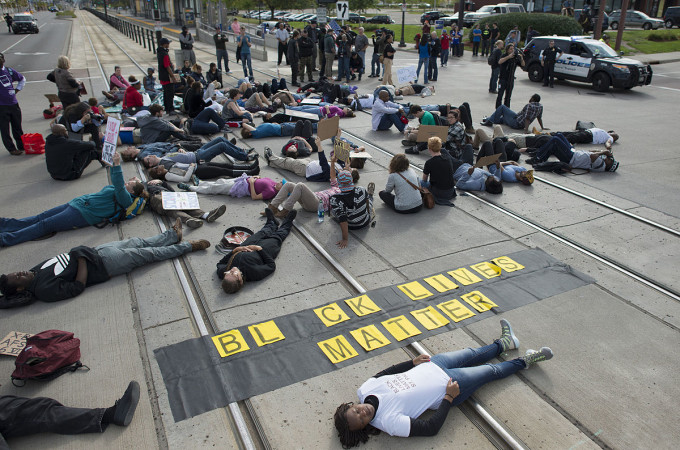
What’s driving today’s polarization around race? And what’s the answer? Two opposite answers—two narratives, if you will—are unfolding. One emphasizes systemic injustice and institutional racism. It views the problems black people face as sourced outside their community and attributes these problems to historic slavery and pervasive, systemic white oppression. The