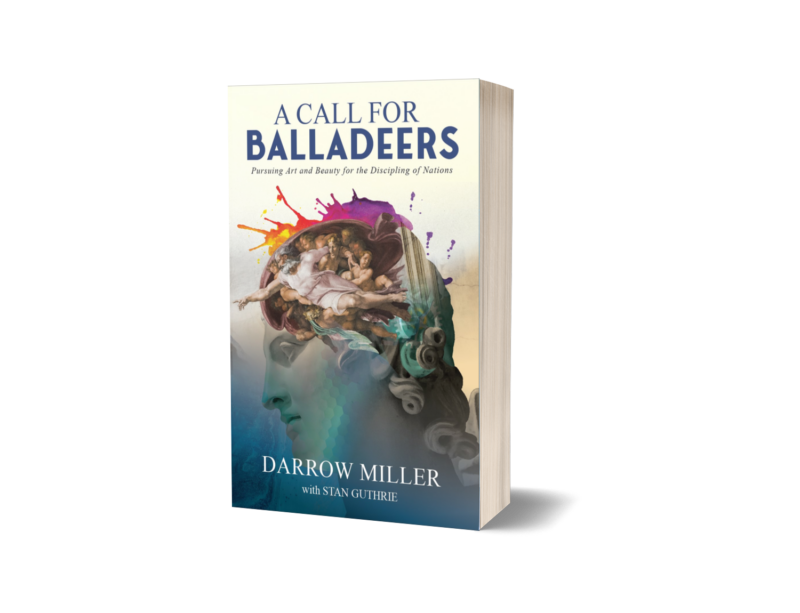
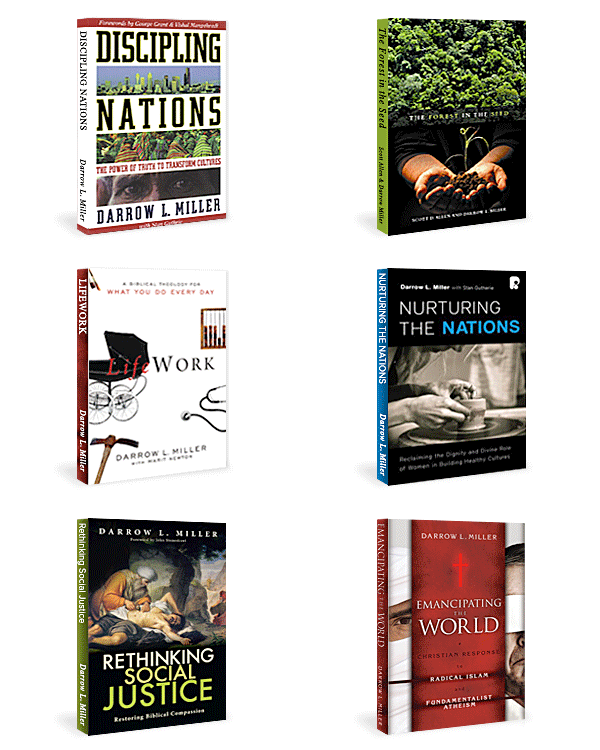
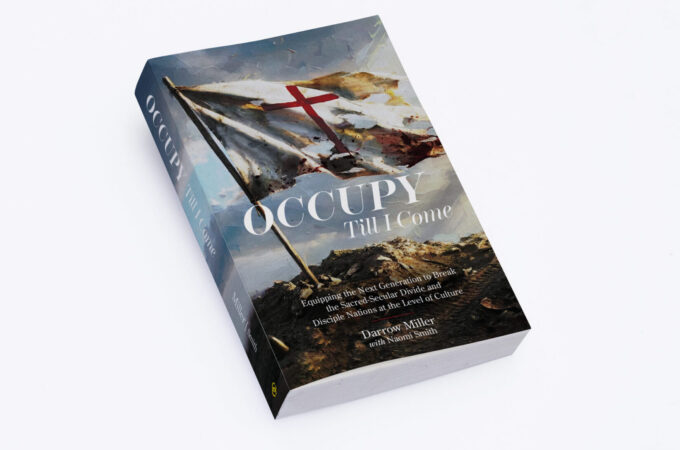
This may be the single most important blog in this series for American readers in 2026. As America celebrates its 250th anniversary, we need to ask a question that reaches far deeper than politics: What kind of people built America—and what kind of worldview shaped them? To answer that question,
Tag: Bible
Not every religion enables self-control Years ago I saw a sign in an office kitchen: “Your mother doesn’t work here; please clean up after yourself.” It’s not hard to imagine the back story: otherwise-responsible adults (they were holding down jobs, after all) leaving dirty cups in the sink. Somebody else
Jesus said, “The poor you will always have with you” (Matt. 26:11). Two millennia later, 815 million people lack enough food to lead a healthy, active life.[i] Nine million people die every year of hunger or hunger-related causes.[ii] These numbers are down from forty years ago—that’s good. But this level of
In the first lecture in his series on the Bible, clinical psychologist and cultural phenom Dr. Jordan Peterson calls the Bible “the first hyperlinked book!” He references the beautiful and profound graphic above created by Christoph Römhild and Chris Harrison. The image captures 66,379 cross references found in scripture. (Go
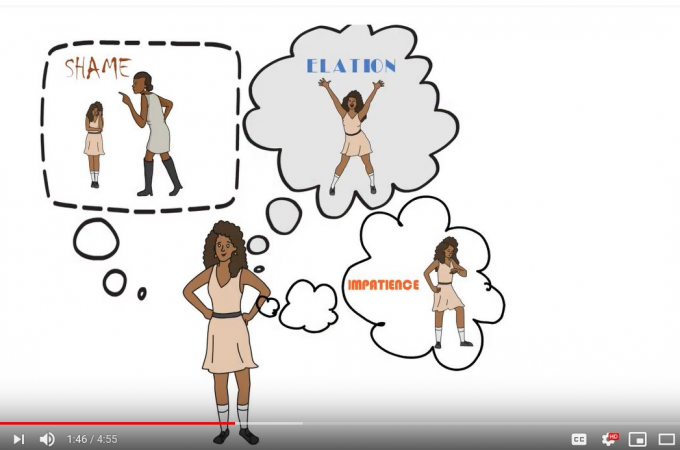
A few weeks ago we published an animated version of Elizabeth Youman’s post, What Difference Do Words Make? Dr. Youmans also wrote Whoever Controls the Language Controls the Culture, a sobering call to consider the power of language in the lives of nations and communities. Click the video below to
Happiness According to the New Testament Photo by Loren Joseph at Unsplash The Greek word μακάριος (makarios) is the New Testament equivalent of the Hebrew ʾǎš·rê. It is found 50 times in
To Be Happy, Follow These Three Steps Photo by Ben White on Unsplash Psalm 19:7-11 describes in sacred song the significance of the law of the
A call to build education around God’s Word, Photo by Gift Habeshaw on Unsplash “‘When I use a word,’ Humpty Dumpty said in a rather scornful tone, ‘It means just what I choose it to mean, neither more nor less.’” (Through the Looking Glass, Lewis Carroll) One of the distinctives
History Repeats Itself in the “Social Justice” Debate Photo by Melany Rochester on Unsplash Amy Carmichael (1867-1951) was one of the most respected missionaries of the first half of the twentieth century, yet she had no problem “engaging the culture.” Among her other
Wars are won and lost by words “Whoever controls the language, controls the culture.” (Dennis Peacocke) “So great is my veneration for the Bible that the earlier my children begin to read it, the more confident will be my hope that they will prove useful citizens of their country.” (John