A society does not end slavery, racism, or sexism merely by writing new laws. As we saw in part 1, the changes must begin at a moral level. An Old Testament example We read an example from Philemon, here’s one from Jeremiah. The word that came to Jeremiah from the
Category: Racism
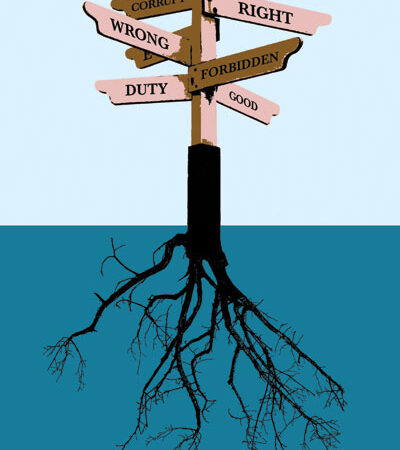
How does one end moral evils like slavery, racism, or sexism? First, by recognizing that culture is upstream from laws and policies, and worship–“cult” –is upstream from culture. We make societies like the God or gods we worship. A godless universe leaves people free to enslave others, objectify women, and
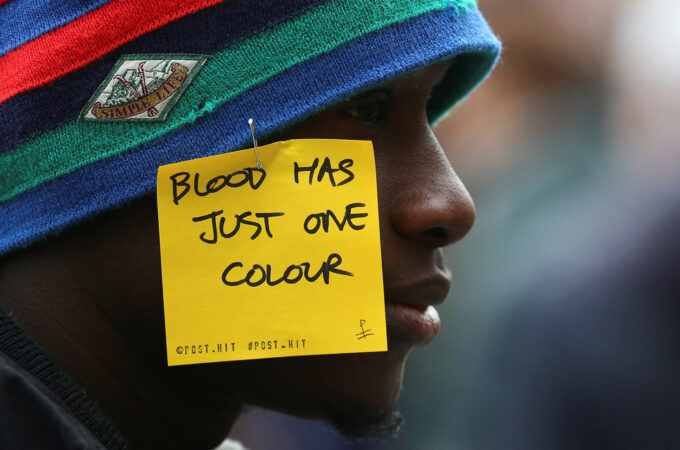
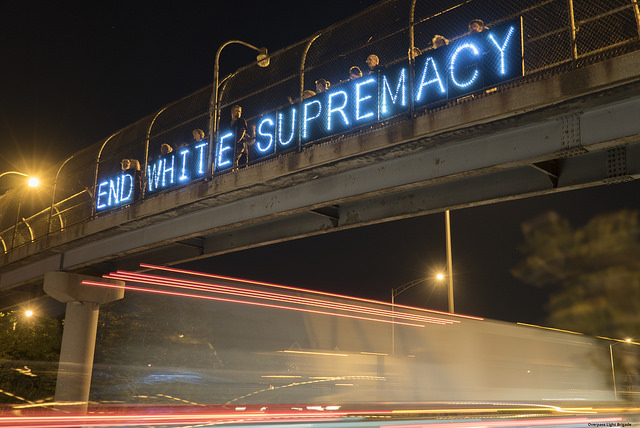
What’s driving today’s polarization around race? And what’s the answer? Two opposite answers—two narratives, if you will—are unfolding. One emphasizes systemic injustice and institutional racism. It views the problems black people face as sourced outside their community and attributes these problems to historic slavery and pervasive, systemic white oppression. The