“Ideas have consequences.” Many people are familiar with that profound observation by Richard Weaver. Now a popular Canadian psychologist, Jordan Peterson, has made a parallel observation, a variation from Carl Jung’s original, “People don’t have ideas, ideas have people!” Peterson tweaks it, “You don’t have ideas; ideas have you!” He
Category: Education
If distinction could protect a school from LGBT activism and government overreach, Trinity Western University would be immune. According to its website, TWU, in Langley, British Columbia, Canada, is “consistently ranked among the top two universities in Canada for Educational Experience by the National Survey of Student Engagement according to
Teaching only happens in a relationship of trust Recently, Darrow led a group of thought leaders in a discussion prompted by the wide interest in School vs. Education. The group talked about producing a book treating education from a biblical worldview. One of those leaders was our friend, Dr. Elizabeth
We have published 41 blog posts on the subject of education. It is, after all, a huge part of human life and a priority in God’s economy. A form of the word “teach” or “learn” shows up almost 500 times in the Bible. Our good friend Christian Overman is passionate
“But the point is now determined, and I shall have the liberty to think for myself.” So wrote John Adams—the second US President—upon entering the study of law. Like the Berean Jews (Acts 17:11), Adams demonstrates the independent thinking of a free people. In his 2003 Jefferson Lecture on the
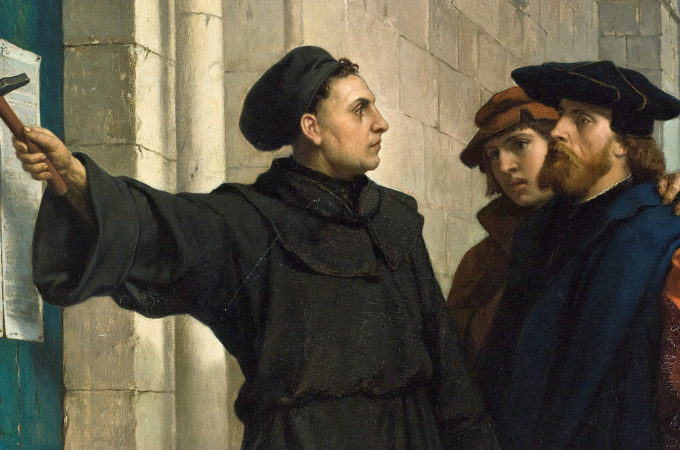
In honor of the 500th anniversary of the Protestant Reformation, we are happy to offer Darrow’s article originally published Feb 18, 2016. ~ Could a new reformation be on the horizon? We often talk about and pray for much needed revival, a movement of God that would lead to reformation
Dr. Robert George is McCormick Professor of Jurisprudence and Director of the James Madison Program in American Ideals and Institutions Princeton University. He recently published the following article in collaboration with multiple colleagues. We deem it worthy of wide distribution and are happy to repost it here. ~ Some Thoughts and Advice for
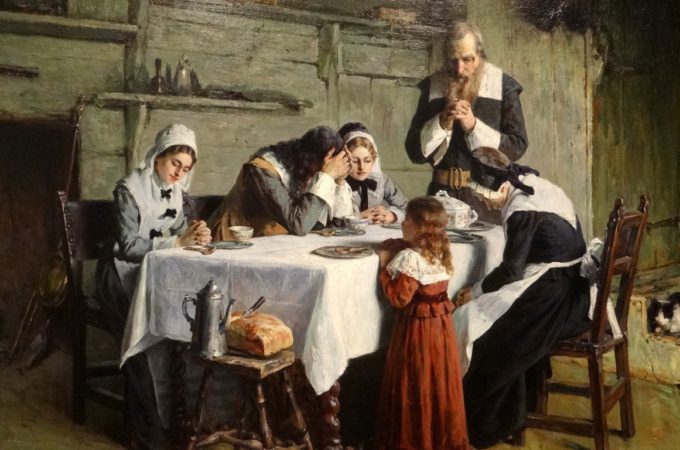
The first sphere of government in colonial America was the home. Home is where the foundation of character is laid and where self-government should first be learned and practiced. Man’s capacity to govern himself is in direct proportion to his relationship with Jesus Christ and obedience to His Word. Childhood
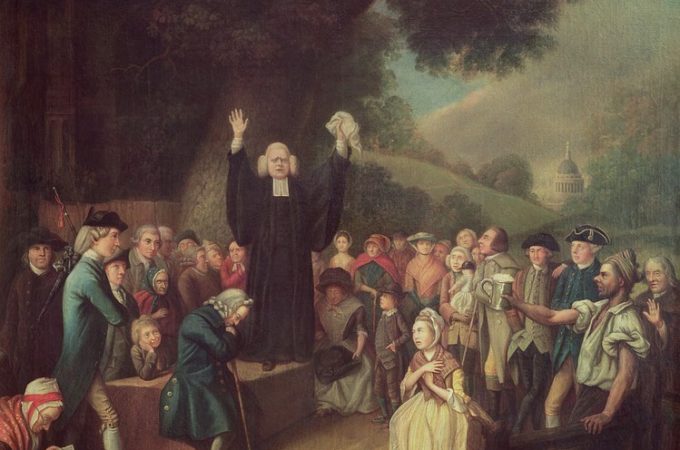
Colonial preachers such as George Whitefield energized the American Revolution From the mid-1600s to the mid-1800s, public schools as we know them today were virtually nonexistent. Parents, pastors, and tutors taught the rising generation how to read, write, and cipher and how to think and reason using the Bible as
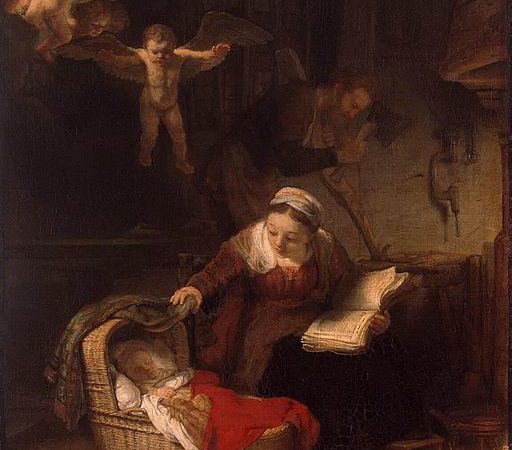
The Holy Family with Angels, Rembrandt van Rijn, 1646 All the great Protestant reformers of the sixteenth century—Luther, Calvin, Knox, Zwingli, Sturm, Farel, Beza, and Melanchthon—were aggressive education champions committed to Bible-centered Christian instruction and discipleship. They understood that long-term church reform required educational reform at all levels. Given their