This post by our good friend Robert Osburn originally appeared at The Wilberforce International Institute under the title “Stop Destroying Our Brethren: End the Sexual Revolution.” ~ It’s time for someone to tell our myopic woke, social justice-advocating friends that racism, past and present, did not destroy and devastate many
Tag: racism
In August 1963, in the heat of the civil-rights movement, Martin Luther King Jr. courageously and famously gave his “I Have A Dream” speech. I say to you today, my friends, so even though we face the difficulties of today and tomorrow, I still have a dream. It is a
In considering the problem of racism in America we would do well to study our history. Three Black men, brilliant and articulate contemporaries whose lives spanned the mid 1800s to the mid 1900s, were great leaders in America: W.E.B. Dubois (1868-1963), Booker T. Washington (1856-1915), and George Washington Carver (1864-1943).
Even in the so-called Dark Ages, one plus one equaled two. But today, Critical Race Theory scorns that reality as “White Math.” Mathematics dates its discovery and articulation as a discipline to Pythagoras of Samos (569 – 475 BC). Historians recognize Pythagoras as the father of mathematics. Princeton mathematician Sergiu
A society does not end slavery, racism, or sexism merely by writing new laws. As we saw in part 1, the changes must begin at a moral level. An Old Testament example We read an example from Philemon, here’s one from Jeremiah. The word that came to Jeremiah from the
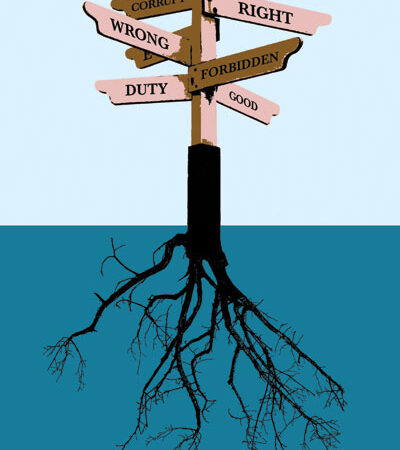
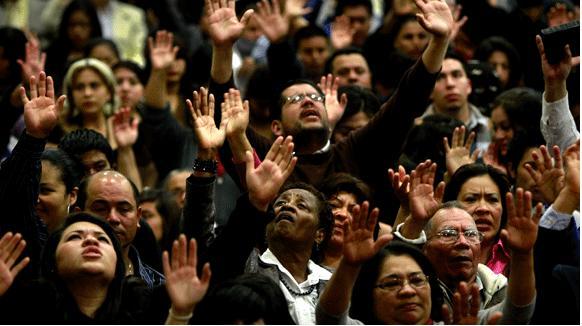
How does one end moral evils like slavery, racism, or sexism? First, by recognizing that culture is upstream from laws and policies, and worship–“cult” –is upstream from culture. We make societies like the God or gods we worship. A godless universe leaves people free to enslave others, objectify women, and
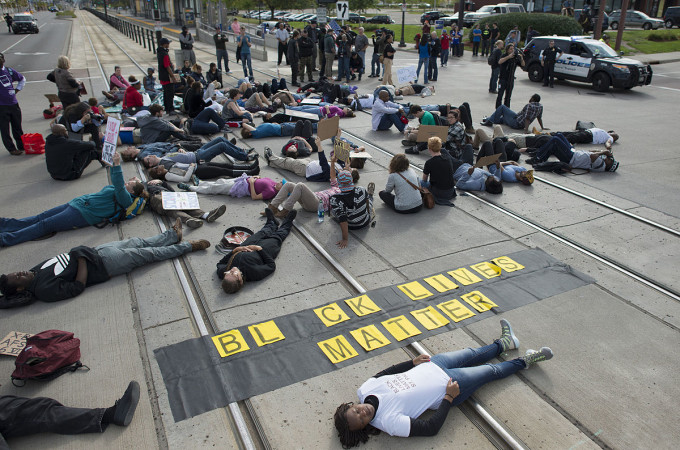
What’s driving today’s polarization around race? And what’s the answer? Two opposite answers—two narratives, if you will—are unfolding. One emphasizes systemic injustice and institutional racism. It views the problems black people face as sourced outside their community and attributes these problems to historic slavery and pervasive, systemic white oppression. The